Introduction The construction industry in Nepal is evolving rapidly, with developers, industries, and government agencies seeking faster, stronger, and more cost-effective building solutions. Among the various construct...
Introduction
The construction industry in Nepal is evolving rapidly, with developers, industries, and government agencies seeking faster, stronger, and more cost-effective building solutions. Among the various construction methods available today, steel structures have emerged as one of the most reliable and efficient options.
From industrial warehouses and factories to commercial buildings, bridges, and infrastructure projects, steel is transforming the way structures are designed and built across Nepal. This article explores why steel structures are becoming increasingly popular and how they offer significant advantages over traditional construction methods.
What Are Steel Structures?
Steel structures are buildings or frameworks primarily constructed using structural steel components. These components are fabricated, assembled, and erected to create strong and durable structures capable of withstanding heavy loads and harsh environmental conditions.
Steel structures are commonly used for:
- Industrial buildings and factories
- Warehouses and storage facilities
- Commercial complexes
- Shopping centers
- Educational institutions
- Bridges and infrastructure projects
- Agricultural buildings
Advantages of Steel Structures
1. Faster Construction Time
One of the biggest advantages of steel construction is speed. Structural components are fabricated in controlled manufacturing facilities and transported to the project site for assembly.
This significantly reduces construction time compared to conventional reinforced concrete structures, allowing projects to be completed faster and become operational sooner.
2. High Strength and Durability
Steel possesses an exceptional strength-to-weight ratio, making it capable of supporting heavy loads while maintaining structural integrity. Properly designed steel structures can withstand earthquakes, strong winds, and other environmental challenges.
This characteristic is particularly important in Nepal, a country located in a seismically active region.
3. Cost-Effective Solution
Although the initial material cost may sometimes appear higher, steel structures often reduce overall project expenses through:
- Faster project completion
- Lower labor requirements
- Reduced foundation costs
- Minimal maintenance expenses
- Longer service life
These factors contribute to substantial long-term savings.
4. Design Flexibility
Steel allows engineers and architects to create large open spaces without numerous columns or supports. This flexibility makes steel an ideal choice for warehouses, industrial facilities, auditoriums, and commercial buildings.
Customized designs can also be fabricated according to specific project requirements.
5. Environmentally Friendly Construction
Steel is one of the most recyclable construction materials available. Many steel components can be reused or recycled at the end of a building's life cycle, reducing environmental impact and promoting sustainable development.
As Nepal focuses more on sustainable infrastructure, steel construction offers an environmentally responsible solution.
Steel Structures and Nepal's Infrastructure Development
Nepal's growing economy requires modern infrastructure capable of supporting industrial growth, transportation, and urban development. Steel structures play a critical role in achieving these objectives.
Applications include:
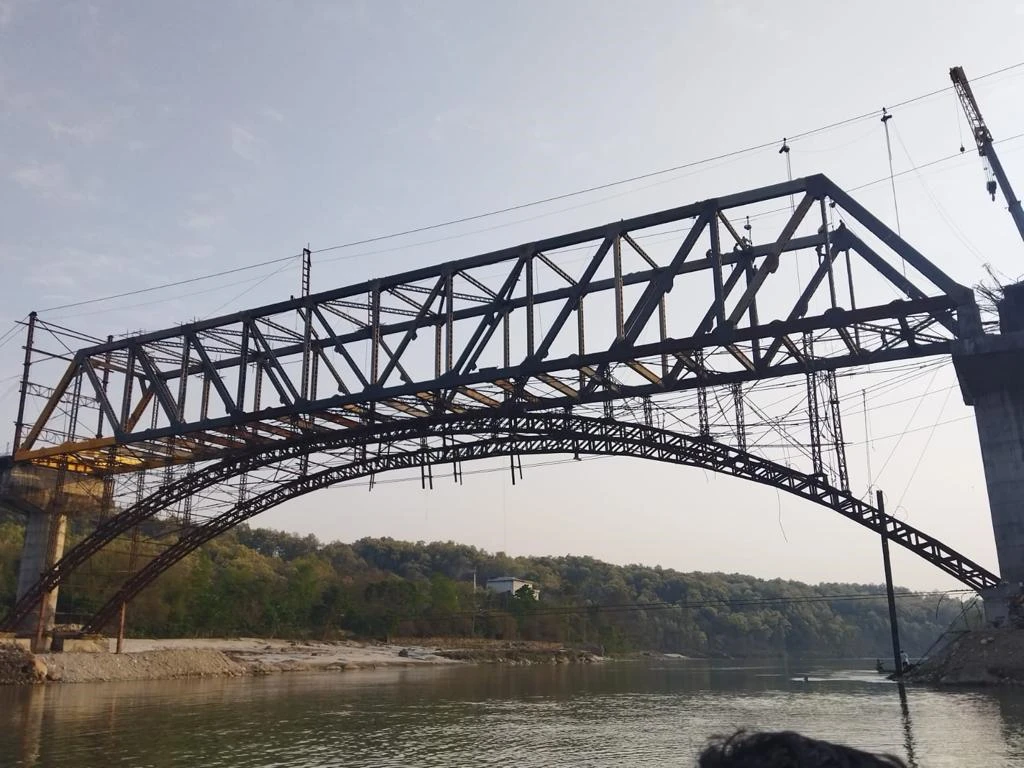
- Steel bridges connecting remote communities
- Industrial sheds and manufacturing facilities
- Commercial buildings in urban centers
- Hydropower and energy-related structures
- Transportation and logistics infrastructure
The ability to construct these projects efficiently makes steel a preferred choice for developers and government organizations alike.
Importance of Quality Fabrication and Galvanization
The performance of a steel structure depends heavily on fabrication quality and corrosion protection.
Professional fabrication ensures:
- Precise dimensions
- Strong connections
- Structural reliability
- Compliance with engineering standards
Additionally, hot-dip galvanization protects steel from corrosion, extending its lifespan and reducing maintenance costs. This is especially important in Nepal's diverse climatic conditions.
Choosing the Right Steel Structure Partner
When selecting a steel structure contractor or fabrication company, consider:
- Experience in similar projects
- Quality control procedures
- Engineering expertise
- Fabrication capabilities
- Galvanization services
- Project portfolio and references
A reliable partner can ensure the successful completion of projects while maintaining safety, quality, and budget requirements.
Conclusion
Steel structures are revolutionizing the construction industry in Nepal by providing strength, speed, flexibility, and cost efficiency. As demand for modern infrastructure continues to grow, steel construction will remain a key solution for industrial, commercial, and public-sector projects.
Organizations that invest in high-quality steel fabrication and professional engineering services can benefit from durable, sustainable, and future-ready structures that meet the demands of Nepal's growing economy.


