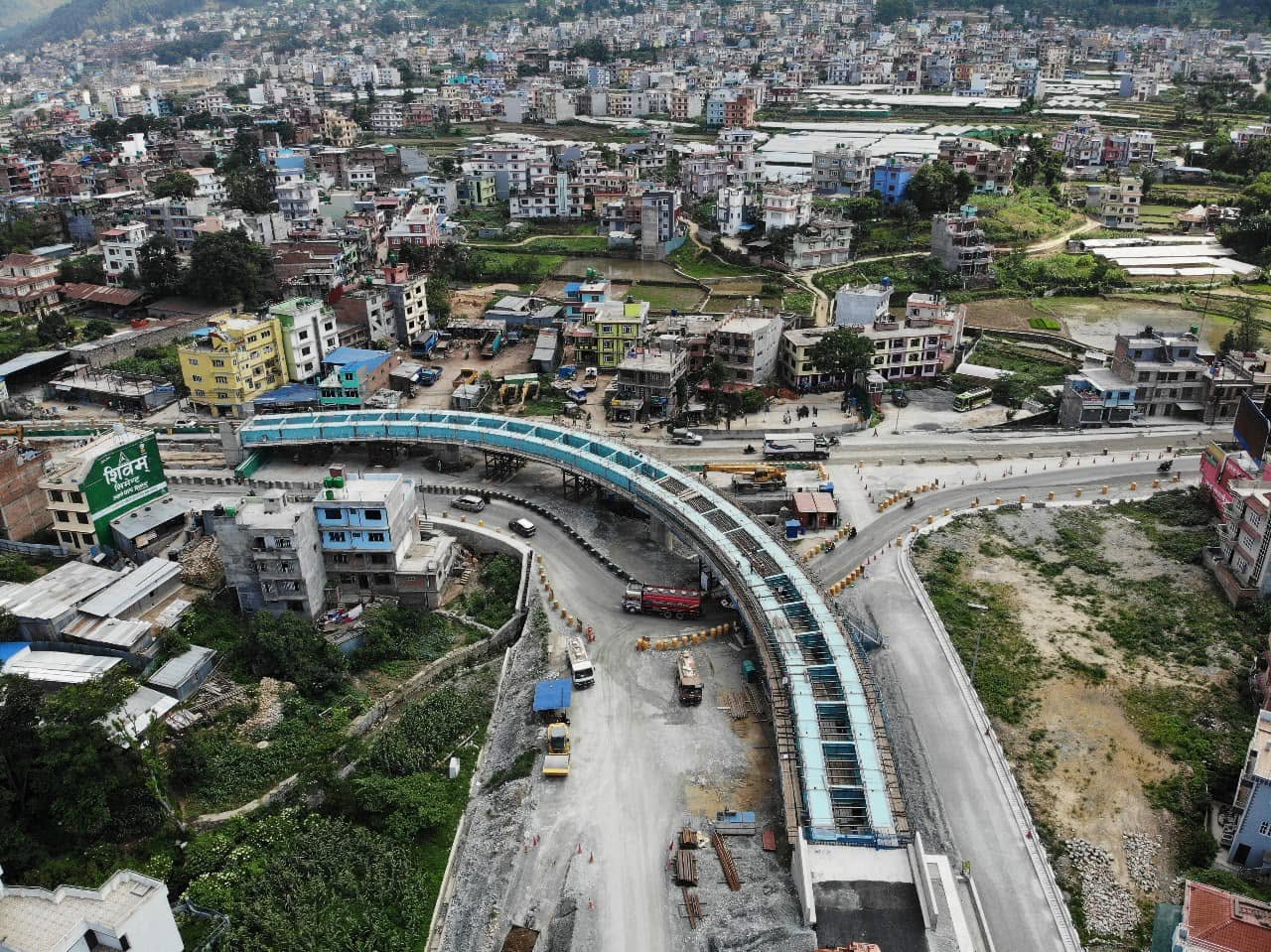
Why Hot Dip Galvanization is the Best Corrosion Protection for Steel Bridges in Nepal
If you have ever driven across a steel bridge in Nepal's hills or crossed a suspension bridge in a remote village, chances are the steel holding you up has been galvanized. But why galvanization? Why not just paint it and call it a day?
Having spent over 13 years fabricating and galvanizing steel structures across Nepal — from the flat plains of Chitwan to the steep river gorges of the Himalayas — we have seen firsthand what happens to steel that is well protected and what happens to steel that is not. The difference is not just cosmetic. It is structural. It is safety. And in Nepal's context, it is the difference between a bridge that lasts 40 years and one that starts deteriorating in 10.
What is Hot Dip Galvanization?
Hot dip galvanization is the process of coating steel with a layer of zinc by submerging it in a bath of molten zinc at around 450°C. The zinc bonds metallurgically with the steel surface, creating a layered coating that is not just sitting on top of the steel — it becomes part of it.
This is fundamentally different from painting or spray coating, where the protective layer sits on the surface and can chip, peel, or wear away over time. With hot dip galvanization, even if the surface gets scratched, the zinc sacrifices itself to protect the steel underneath. This is called cathodic protection — and it is one of the reasons galvanized steel lasts so much longer than painted steel in outdoor environments.
Nepal's Climate is Harsh on Steel
Nepal is not one climate — it is many. The Terai is hot and humid. The hills are wet and misty for months during monsoon. The high mountain regions experience extreme temperature swings, frost, and UV exposure year-round. And river bridges face constant moisture, splashing water, and in some cases, salt-laden air near industrial zones.
All of these conditions accelerate corrosion. Bare steel in a humid rural environment can start showing rust within months. In urban or industrially exposed areas, the deterioration is even faster. Nepal's bridges and steel structures need protection that can handle all of this — not just for a few years, but for decades.
This is exactly where hot dip galvanization excels. Depending on the exposure zone, a properly galvanized steel structure can last anywhere from 30 to 80 years with zero maintenance. Rural structures with a standard coating thickness of 85μm can realistically achieve a service life of close to 80 years. Even in heavy corrosive industrial environments, galvanized steel comfortably delivers 12 to 15 years before any recoating is needed.
Paint vs Galvanization — What Actually Holds Up?
We are not saying paint has no place in steel protection. In fact, for some structures, a combination of galvanization and paint — called a duplex system — gives the longest service life of all. But paint alone, especially in Nepal's outdoor bridge environments, simply does not hold up the same way.
Here is the practical reality. A painted bridge needs repainting every 5 to 10 years depending on the environment. That means scaffolding, surface preparation, labor, paint material, and traffic disruption — repeatedly, for the life of the bridge. When you add up those recurring maintenance costs over 40 years, a galvanized bridge almost always comes out cheaper in total cost, even if the upfront galvanization cost is higher.
Beyond cost, there is also the question of access. Many of Nepal's bridges are in remote locations. Getting a repainting crew with scaffolding and equipment to a bridge in a mountain district is not a simple task. Galvanized steel removes that problem almost entirely.
Why Nepal's Bridge Builders Choose Galvanization
Over the years, Nepal's Department of Roads, local government bodies, and private contractors have increasingly specified hot dip galvanization for steel bridges — particularly Bailey bridges, truss bridges, and suspension bridges in rural and semi-urban areas. This shift has been driven by experience. Structures galvanized 20 or 30 years ago are still standing strong, while painted-only structures from the same era have required significant repair or replacement.
As Nepal's first Bailey Bridge manufacturer and the operator of the country's largest hot dip galvanization plant in Bharatpur, Chitwan, we have been part of this shift from the beginning. Our galvanization plant can process workpieces up to 14 meters in length and handle up to 50 MT per day — giving contractors the capacity they need without delays.
How Long Will Your Galvanized Structure Last?
The service life of a galvanized structure depends on two things — the initial coating thickness and the environment it is placed in. The thicker the zinc coating and the less aggressive the environment, the longer it lasts.
As a general guide for Nepal's conditions:
- A steel bridge in a rural setting with an 85μm coating can last approximately 80 years
- The same bridge in a sub-urban environment would last around 19 years
- In an urban environment, expect approximately 25 years
- In a heavy corrosive industrial zone, around 13 years
These are estimates based on standard galvanizing service life calculations. Actual results vary based on coating quality, steel surface preparation, and site conditions. But the numbers are clear — galvanization delivers longevity that no other single protection method can match at scale.
Final Thoughts
Nepal is building fast. New roads are opening, rural connectivity is expanding, and infrastructure investment is at an all-time high. The bridges and structures being built today need to serve communities for generations — not just years.
Hot dip galvanization is not just a coating. It is a commitment to durability. It is the reason a bridge built in a remote hill district today can still be standing strong when the next generation crosses it.
If you are planning a steel structure project and want to understand the right corrosion protection strategy for your specific location and environment, our technical team at Jalap Nepal is happy to help.
— The Jalap Nepal Engineering Team, Bharatpur, Chitwan